The risks posed by radon are being routinely ignored despite more than 2,500 people dying each year as a result of the poisonous and carcinogenic gas, experts warned today.
More people are killed by radon than are killed on Britain’s roads, yet a report by leading environmental consultants Delta-Simons shows that awareness remains at an all-time low.
Maps showing radon hotspots are inadequate, legislation falls short and advice from local authorities is out of date, says Delta-Simons radon expert Jay Fox.
Radon is a naturally occurring, colourless, odourless, radioactive gas found at varying levels in all houses in the UK and across Europe.
People living and working at basement level are particularly prone and those exposed to high readings are more likely to get lung cancer, especially if they are smokers as well.
Well-insulated new homes can also cause problems because they are the radon gas has no way of escaping.
“Radon is generally limited to basements and ground floors but that puts an awful lot of people at risk,” said Mr Fox.
“Anyone working in public records, libraries, archives or underground car parks is particularly at risk. Indeed, we have noticed that there is a big trend towards schools putting nurseries in their basements so this is another area of concern.”
Developers of new commercial and residential premises have an obligation to evaluate for radon risk and this should be covered under planning requirements. Businesses also have a statutory duty to check for radon as part of their duty under the Health and Safety at work Act but most are completely unaware of the hazards so don’t consider radon in workplace risk assessments, unknowingly putting employee health at risk.
Mr Fox said it would be “negligent” for firms not manage radon risks properly.
“You can’t see it or smell it but that is no reason for assuming it isn’t there,” he explained.
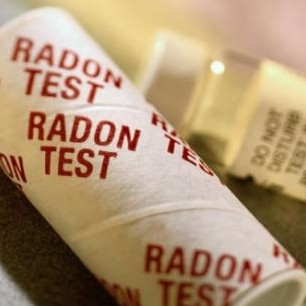
“Some areas of the country suffer more than most, especially areas where there is hard rock, but all it requires is a simple test so we would very much echo The Radon Council’s message that to test is best.”
Solving the problem is straightforward and relatively cheap too – installing a sump underground or fitting an impermeable membrane.
Added Mr Fox: “First things first, people need to get their buildings tested and that is a fairly simple procedure.