Joe Ragdale, technical manager for Wetherby Building Systems, discusses the alternative construction techniques and materials house builders can use to combat the brick shortage
The UK construction industry is suffering from a widely reported brick shortage and, combined with the lack of skilled bricklayers, it is threatening to cause delays to the recovering housing market. Traditional brick build is still the most popular among housing developers, but as they come under pressure to meet government targets for new homes, it poses a serious question. Do they need to be considering alternative construction methods and building materials?
When the recession hit in 2007, house building was one of the first casualties and by 2010 the number of new homes built reached the lowest levels since 1923. Such low levels of activity brought with it a significant reduction in demand for brick and as a result, the UK has seen 19 brick plants close in the last five years.
The UK housing market is now in a much stronger position, with the total number of new home registrations in 2014 up 37% on 2012. However, the upturn in house building activity has led to an increase in orders for brick again, but with fewer production facilities, brick manufacturers are struggling to keep up with demand.
With industry bodies and government parties stating that the UK needs at least 200,000 new homes a year, house builders are under pressure to complete new housing projects without delays so developers are looking for ways to reduce build time.
Recent years have seen an increase in timber and steel frame construction in a bid to speed up the build process. Typically, the exteriors of steel and timber frame properties are applied with a simple render finish and while this is the preferred result for many multi-storey residential projects, a high percentage of house builders still opt for the traditional, familiar feel of brick for low-rise housing developments.
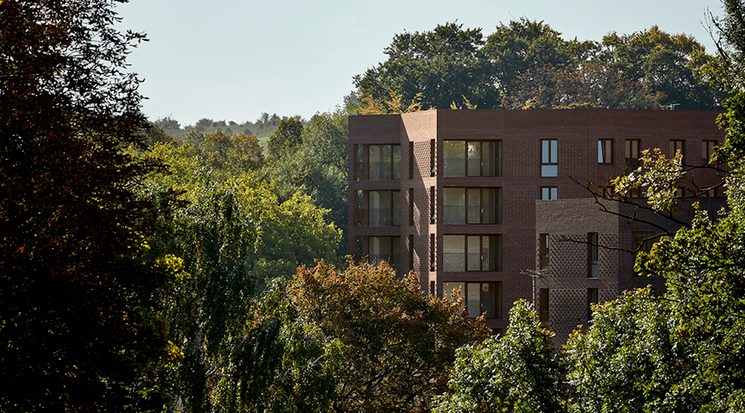
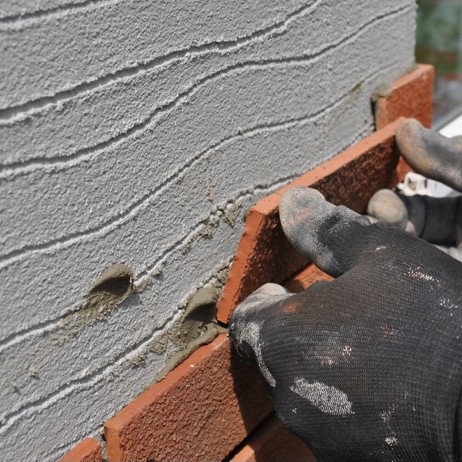
Wetherby Building Systems is advising that it is still possible to achieve a traditional brick appearance, while benefitting from the time savings associated with alternative construction methods, by utilising a brick slip system, such as its EpsiBrick-7.
Applied to a masonry property, EpsiBrick-7 is significantly quicker to install, compared with completing an outer layer of brickwork, but the end result will provide the same traditional, familiar look and feel. Unlike alternative brick slip systems available, which often comprise an acrylic brick finish, the EpsiBrick-7 product is manufactured and fired in exactly the same way as traditional clay bricks, providing a genuine brick finish.
With the demand for new homes growing month-on-month, house builders need to be working effectively and adapting their designs, construction and materials for each development. While the need for a rapid completion is key, a visually inviting development is still crucial to attract new homeowners.