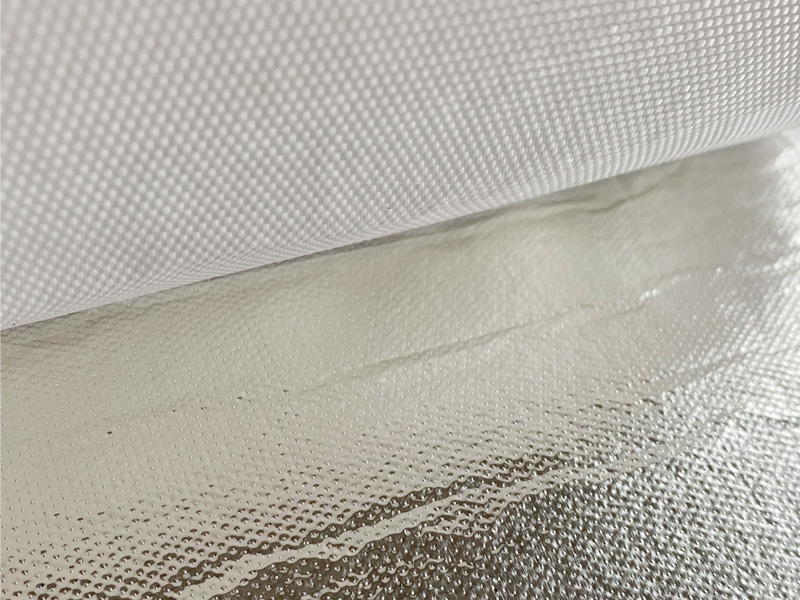
Thermal modelling trials carried out by certification body BM TRADA have shown that Actis Hybrid insulation products have a dramatic impact on counteracting thermal bridging and act as excellent thermal blankets.
And a follow up SAP exercise carried out by an independent energy assessor to measure the impact of these calculations on a whole building concluded that using Hybrid generated one of the best Y values ever assessed by his firm.
The BM TRADA thermal assessment involved measuring and collating psi values for 16 model junctions insulated with vapour control layer H Control Hybrid and breather membrane Boost R Hybrid.
Building Regulations Services Ltd used these values to measure the effect on the overall energy performance of a building – a two storey detached family home.
Interestingly, the test showed that using the actual psi values calculated by BM TRADA created a far more thermally efficient building overall than when the assessors used the government prescribed default psi values.
For example, the default psi value for the eaves to warm roof junction is 0.08 but the model junction modelled by BM TRADA using all three Hybrid products is 0.045.
In another example, using default psi measurements with a 140mm stud wall with a U-value of 0.19 failed the SAP test and required the addition of a wood-burning stove and solar thermal to counteract the effect of thermal losses through the fabric. In contrast, using vapour control layer H Control Hybrid on the construction build-ups necessitated only a 90 mm stud wall with a U-value of 0.23 to pass the SAP test.
“With low energy buildings, avoiding or reducing thermal bridging is essential to ensure thermal efficiency,” explained Actis technical manager Thomas Wiedmer.
“The results of both analyses confirm that Actis Hybrid multifoils act as thermal blankets and counteract thermal bridging. Indeed energy expert Raymond McGurk from Building Regulations Services Ltd who carried out the SAP experiment stated in his report ‘This is the one of the best Y values I have ever come across.’
“One of the key features of achieving such impressive Y-values is that the increase in overall fabric efficiency means there is less, or even no need for the addition of costly energy saving measures such as renewables to achieve the required overall energy performance. Or builders can relax the U-value in the wall.”