- New research reveals concern from social landlords about the energy efficiency level of housing stock
- Funding is main barrier to improvements, yet many landlords remain to be convinced by the Green Deal
More than three quarters (84%) of landlords are concerned about the energy efficiency of their housing stock, but more than two thirds (69%) say lack of funding is the key barrier to making improvements, reveals new research from npower.
Furthermore, many landlords appear reticent to take advantage of potential funding options available, with nearly one third (31%) stating they do not intend to make use of the Green Deal.
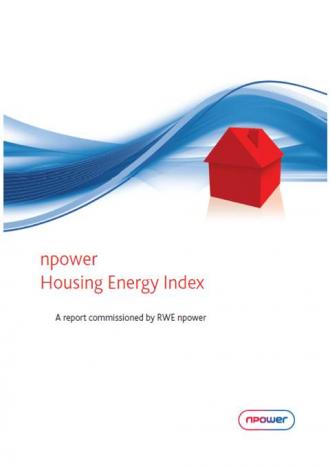
The npower Housing Energy Index (nHEI) which reflects the views of 100 senior decision-makers representing a range of social landlords and 300 tenants, revealed the scale of those holding back on investments. More than half (52%) are not considering investing in renewable heating systems by 2020. When asked why, one quarter (25%) cited a lack of finance.
The nHEI also revealed a disconnect between landlord and tenant. Nearly three quarters (82%) of landlords believe energy efficiency is the joint responsibility of landlord and tenant, while less than half (43%) of tenants believe it is.
This divide in opinion is highlighted further when it comes to financing housing improvements. More than half (57%) of tenants think landlords should pay for improvements to homes to help reduce energy consumption and therefore cost. One of the technologies which could improve the housing stock and enable savings to be achieved is the installation of renewable heating systems. However, while tenants are looking for landlords to fund improvements, landlords believe it should be government providing the funding, with nearly two thirds (60%) calling for financing for such technologies.
At the same time, there is concern around the potential for energy efficiency savings being missed through the behaviour of tenants. The nHEI revealed that more than one in ten (14%) tenants do not always turn off lights when not needed and nearly one quarter (23%) do not turn off equipment when fully charged.
Richard Jemmett, Head of Social Housing Energy Services at npower, comments: “We conducted this research to better understand the energy-related challenges currently facing the social housing sector. Our research shows there is a clear need to improve energy efficiency across housing stock, and it is crucial that education of tenants, to encourage energy saving behaviour changes should be at the heart of landlords’ plans.
“It is clear that no matter what investment landlords make in energy efficiency measures or renewable technologies, tenants need to help save energy through implementing the small changes in behaviour such as ensuring lights and equipment are switched off, which can make a big difference. This will help to ensure any investment landlords do make provides strong payback.
“Looking ahead, it is essential to overcome the barrier of lack of finance or access to funding if we are to improve our housing stock. By investigating the detail of funding options available, such as the Green Deal, landlords may find implementing energy efficiency measures and renewable heating systems is more feasible than first thought.
“We believe by working collaboratively with expert partners, landlords and tenants can ensure there is a robust process in place to achieve sustainable savings. This will ultimately lead to more comfortable, warmer properties, which are better for tenants, cost less to run and enable landlords to develop a lower carbon housing portfolio.”
The nHEI is designed to be a tracking index, providing an annual barometer of opinions across social landlords and tenants.
For more information on npower’s Energy Services division or to download a copy of the report, please visit www.npower.com/socialhousing