The Building Engineering Services Association (BESA) has welcomed new measures to improve ventilation, indoor air quality (IAQ), and tackle overheating as part of revisions to the Building Regulations.
The government’s changes to Parts F and L come into force next June and have sought to balance the need for carbon reductions with improved ventilation in both residential and commercial buildings. New homes will have to cut their carbon emissions by 30% and non-domestic buildings by 27% to meet the requirements of the revised Part L.
This is regarded as a first step towards making all buildings ‘net zero ready’ from 2025 when the Future Buildings Standard comes into effect.
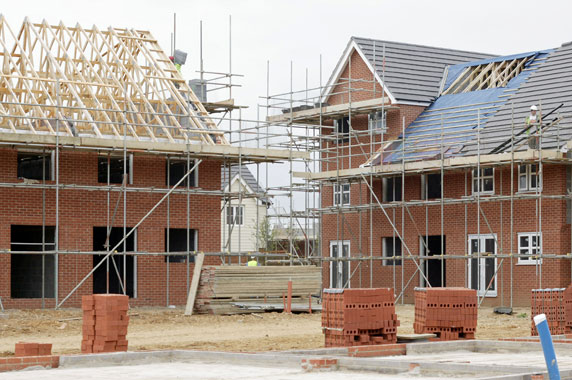
All new residential buildings, including care and children’s homes, and student accommodation, must also be designed to reduce overheating under changes to Part F and with the introduction of Part O. Higher standards of ventilation will be introduced to improve IAQ and reduce the spread of airborne viruses in new non-residential buildings, including additional standards for recirculating ventilation systems in new offices, along with the compulsory installation of CO2 monitors.
The government is also proposing to introduce a requirement for trickle vents in all replacement windows and a new method for ensuring ventilation is not compromised when energy efficiency improvements are carried out in existing buildings.
“This is a good start on the road to tackling poor indoor air quality,” said BESA’s head of technical Graeme Fox. “Monitoring CO2 levels is a simple, low-cost way to measure ventilation effectiveness, but eventually we will need more comprehensive monitoring of airborne contaminants, including PM2.5 and NO2, to help building managers properly get to grips with the air quality challenge.
“It is very good to see, however, that the government has been clear about the importance of not sacrificing ventilation in a bid to cut carbon. There is no point having highly energy efficient buildings that are harmful to occupant health – a mistake that has been made in the past,” he added.
The government has also referenced the Guide to Good Practice for Local Exhaust Ventilation (LEV) produced by BESA in partnership with the Institute of LEV Engineers (ILEVE) in the revised Part F. Published last year, this guidance has already been widely praised for helping to protect people from exposure to hazardous substances in workplaces.
“Instances of occupational lung diseases, including cancer, caused by dust, fumes and other airborne contaminants in the workplace are still far too high,” said Fox. “Compliance with TR40 could also help employers save thousands of workers every year from succumbing to industrial asthma, chronic obstructive pulmonary disease (COPD) and life limiting respiratory conditions in workplaces subjected to high levels of airborne contaminants.”