The Building Engineering Services Association (BESA) and the British Plastics Federation (BPF) have issued a joint statement to clarify confusion around the use of pre-insulated pipework in buildings.
It follows the publication of a warning from BESA and the Thermal Insulation Contractors Association (TICA) about the increasingly common practice of using pipework designed primarily for underground use inside buildings. This can compromise fire safety and performance and the bodies said it was a “fundamental change in product application” that potentially breached the Building Regulations.
However, some press reports featured misleading photographs showing other types of pipework, which confused parts of the industry. As a result, the BPF worked with BESA to clarify which specific type of pipework was under scrutiny.
The joint statement explained that district heating pipe systems were “generally used” outside of a built environment and were usually buried within a trench or a specially constructed conduit.
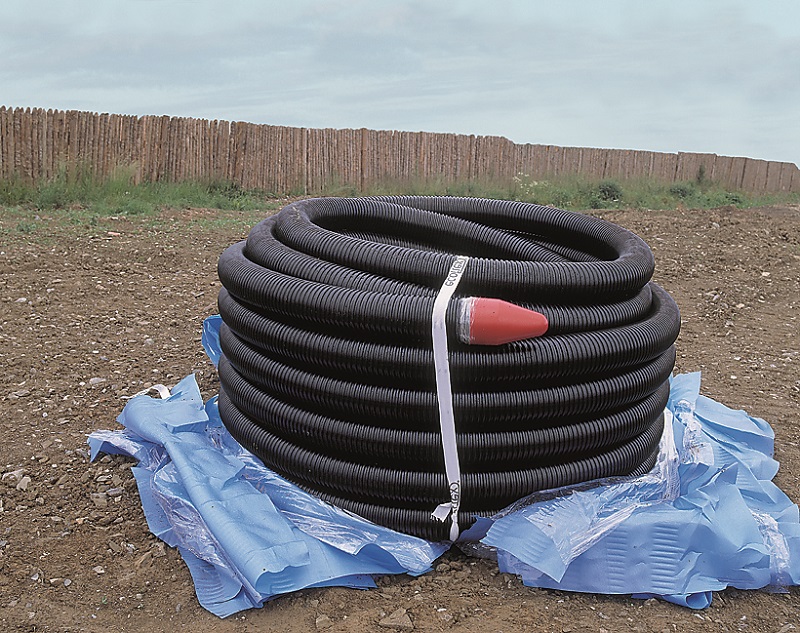
“Although these pipes are generally buried underground, it may be possible that they could be laid above ground, but these applications should be confirmed with the manufacturer to ensure their system is suitable for that use,” the statement added.
“However, whether used above or below ground, where these pipes may transition from the outside of a construction project to the inside of a built environment, care must be taken that the relevant standards regarding fire safety and fire control are strictly observed.”
Standards
It added that advice should also be sought from the project’s design team to ensure compliance with Building Regulations and all appropriate standards.
The BESA and BPF statement also emphasised that there was “a wide variety of pre-insulated plumbing pipes on the market”. These are available in a range of different thicknesses and insulation materials, including pre-insulated district heating pipe designed to be buried below ground for district heating and heat networks, pre-insulated plumbing pipework designed for domestic services in buildings, and pre-insulated pipework designed for cooling applications typically above ground both inside and outside buildings.
It was important, therefore, that any insulated pipework used inside a building was approved by the design team to ensure compliance with Building Regulations and the relevant associated standards, the bodies said. They also urged contractors to seek confirmation of suitability from manufacturers.
“It is also absolutely essential that any pre-insulated pipes entering a building are properly protected from damage and terminated correctly to contain the insulation and retain the fire integrity of the outer sheath,” said BESA’s head of technical Graeme Fox.
“Installers should seek specialist fire stopping advice and evidence that all fire stopping products have been fully tested and third party certified where relevant. The installation must maintain the integrity of the specified fire performance of the combined building fabric and pipe installation,” he added.
In the original statement, BESA and TICA voiced particular concern about the use of coiled flexible polyethylene insulated piping systems, which they said were regularly being installed in high-risk settings, such as large multi-residential buildings.
They reminded manufacturers, specifiers, and installers of pre-insulated polyethylene pipework that they had a responsibility to provide evidence of the suitability of these products for the specific application in question.
Caroline Ayres, director of the BPF Pipes Group, said the Federation was delighted to work with BESA to produce this guidance. “By working together, we can better ensure best practice across the industry,” she said.